How-to · 2 min read
How to measure yourself for a made-to-measure cosplay costume
A made-to-measure costume is only as good as the numbers you send. This is the part of ordering that people rush, and it is the part that decides whether the costume fits on the day. It takes about fifteen minutes and a friend.
Updated 17 September 2026
Six rules before you start
- 1Use a soft tailoring tape, never a metal construction tape. Metal tapes cannot follow the body and will give you numbers that are wrong in a way you cannot see.
- 2Wear the exact undergarments you plan to wear inside the costume. If the costume has a binder, a push-up bra or shapewear, put it on before measuring.
- 3Keep the tape level all the way round. This is the most common error — the tape dips at the back and shortens the measurement. Use a full-length mirror.
- 4Comfortably snug, not tight. The tape should sit flush without compressing anything. If you can slide one finger under it, the tension is right.
- 5Stand naturally and breathe out. Do not hold your breath or suck in your stomach, or you are measuring a body that will not be wearing the costume.
- 6Measure twice. If the two numbers disagree, measure a third time. Consistency matters more than speed.
The core three
| Measurement | Where to put the tape | Common mistake |
|---|---|---|
| Chest / bust | Around the fullest part of the chest, level across the back | Tape sagging at the back, or measuring under the bust instead of across it |
| Waist | The narrowest part of the torso, an inch or two above the belly button — bend sideways and the crease is your natural waist | Measuring where low-rise jeans sit instead of the natural waist |
| Hips | Around the fullest part of the seat, feet together | Measuring the hip bones, which are higher and smaller than the hips |
What else a maker may ask for
- Height and weight — helps a maker sanity-check proportions before cutting.
- Shoulder width — bone to bone across the back. Critical for jackets, coats and pauldrons.
- Torso length — for jumpsuits and anything that has to reach the waist without riding up.
- Inseam and outseam — for trousers.
- Bicep, wrist and neck circumference — for armour, fitted sleeves and high collars.
You do not need all of these for every costume. A coat needs shoulder width and torso length; trousers need inseam; armour needs the circumferences. If a maker asks for less than the list above for a complex piece, that is worth questioning.
Costumes cut to these measurements
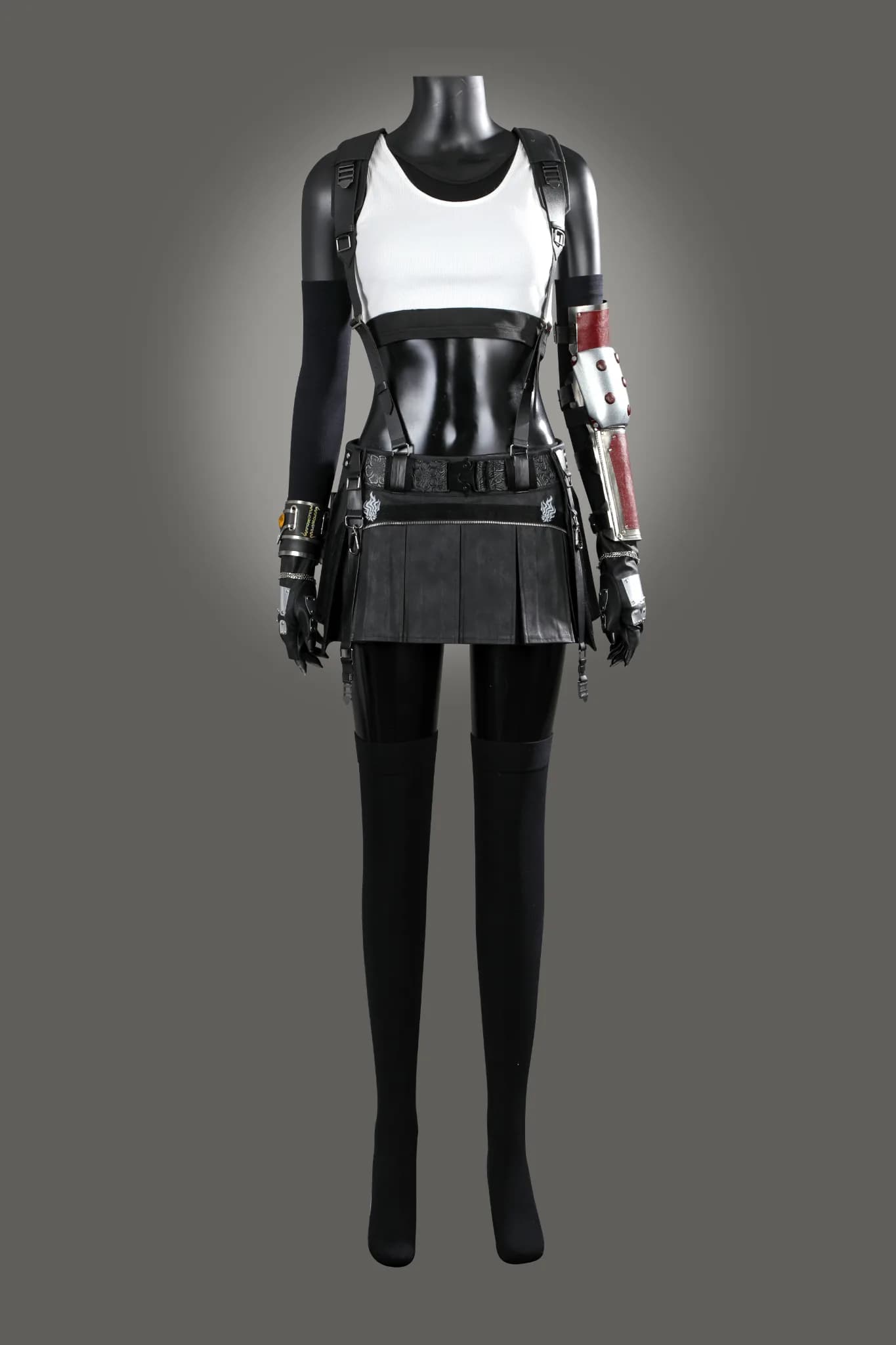
Made to measureGamingFinal Fantasy VII Remake Rebirth FF7 Tifa Lockhart Cosplay Costume
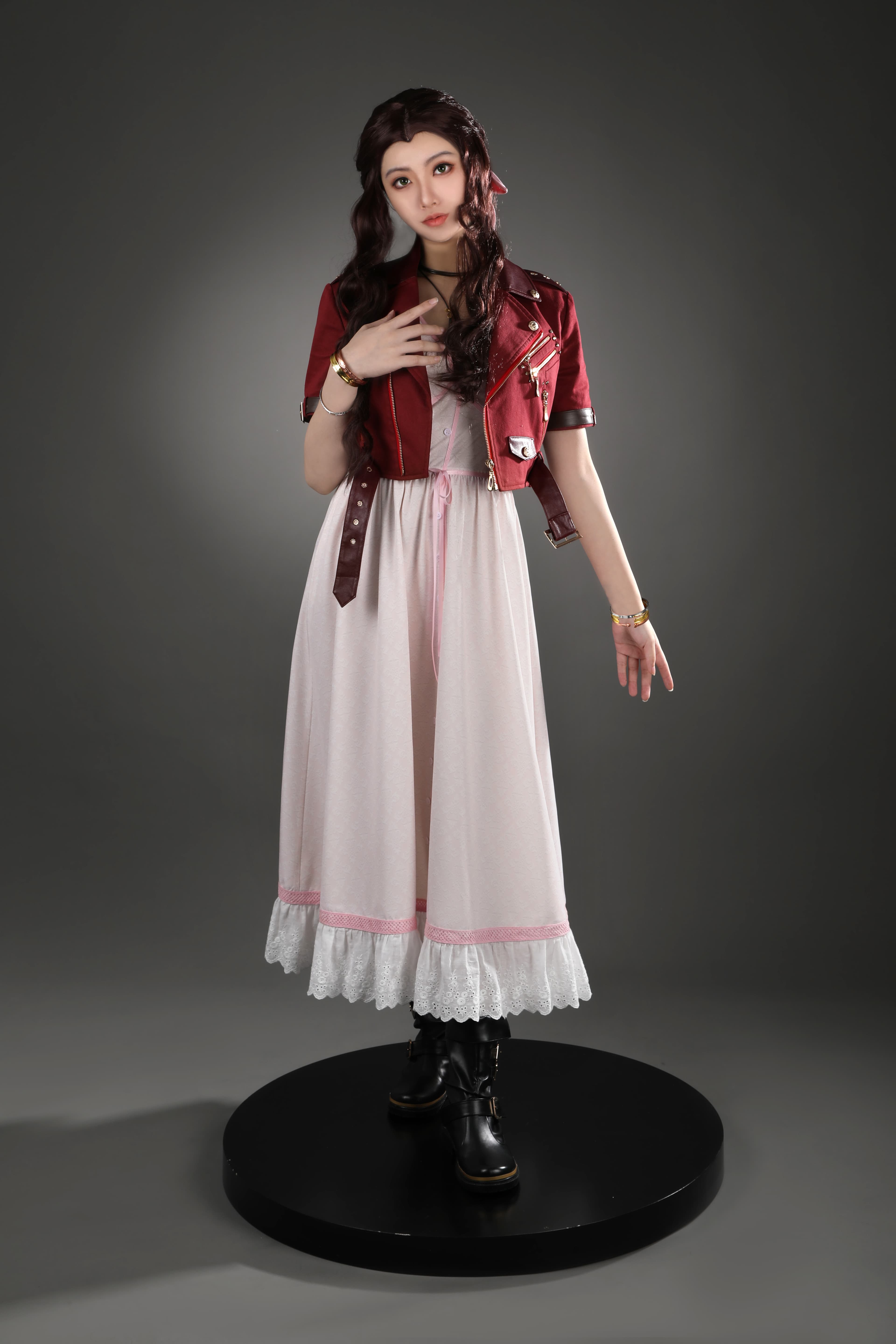 Made to measureGaming
Final Fantasy VII Remake Rebirth FF7 Aerith Gainsborough Cosplay Costume
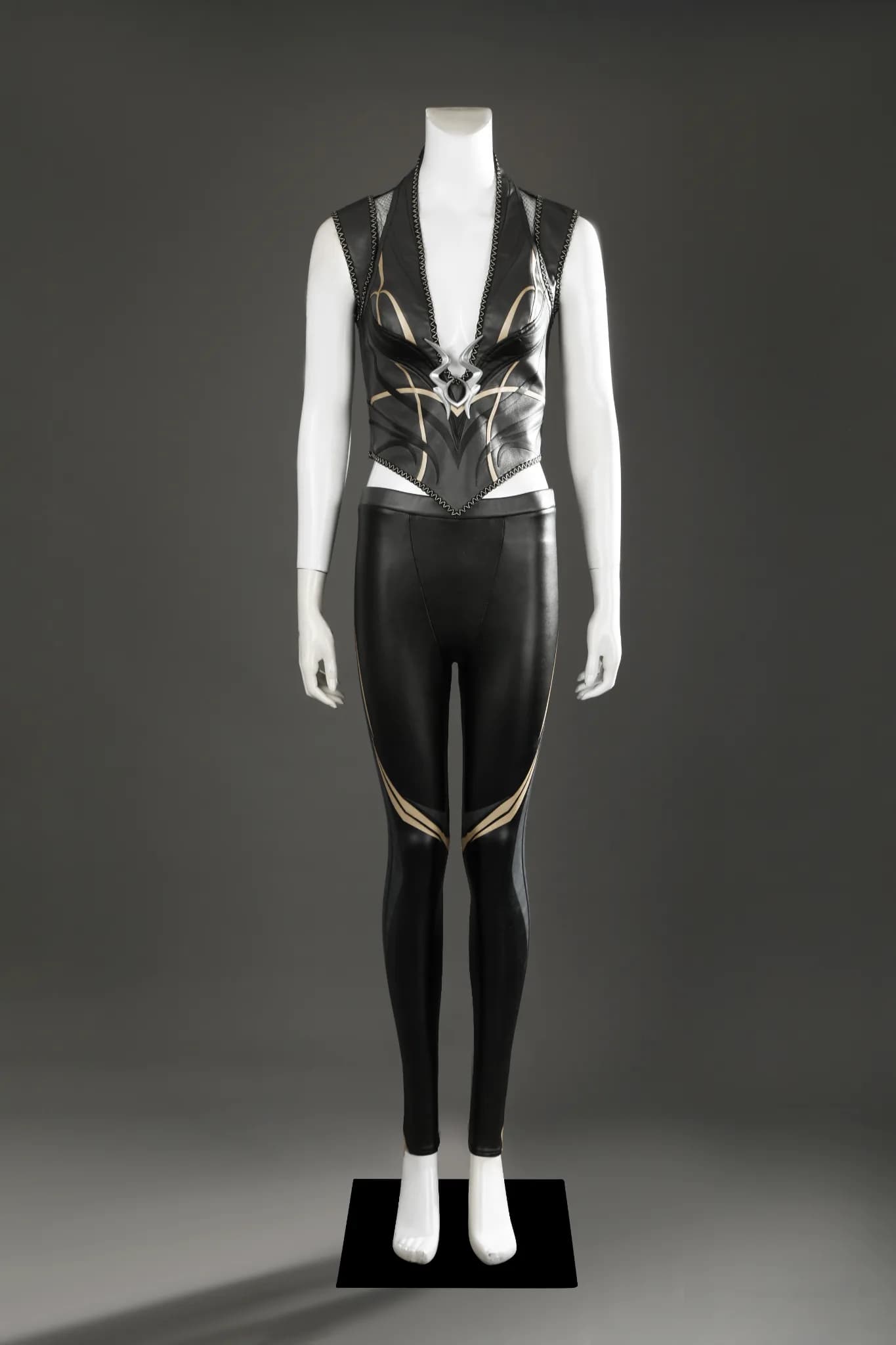 Made to measureGaming
Baldur's Gate III Baldur's Gate 3 BG3 Shadowheart Camp Outfit Game Halloween Cosplay Costume
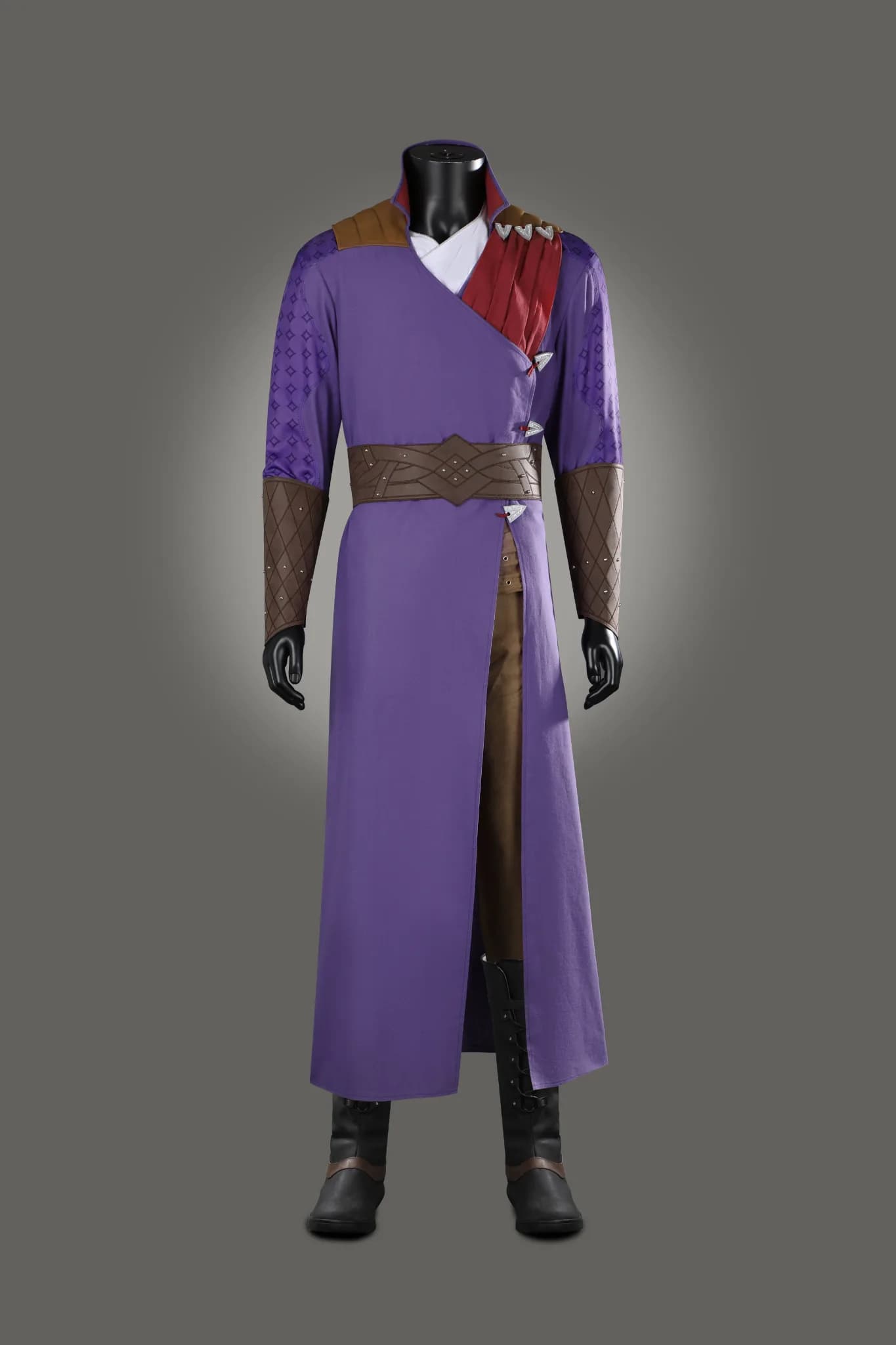 Made to measureGaming
Baldur's Gate III GALE Cosplay Costume
Common questions
Can I measure myself without help?
Chest, waist and hips are possible alone with a mirror, but shoulder width, torso length and hip level are very hard to get accurately on your own. If you can, get someone to help — it takes five minutes and removes the most common source of bad fit.
What happens if I send the wrong measurements?
The costume will be built to whatever numbers you send, so a wrong measurement becomes a wrong costume. Measure twice, record both centimetres and inches, and ask the maker to confirm anything you are unsure about before they start cutting.
Do I measure over or under clothing?
Over the undergarments you will wear with the costume, and nothing else. Heavy outer clothing will add thickness and give you a costume that is too large.